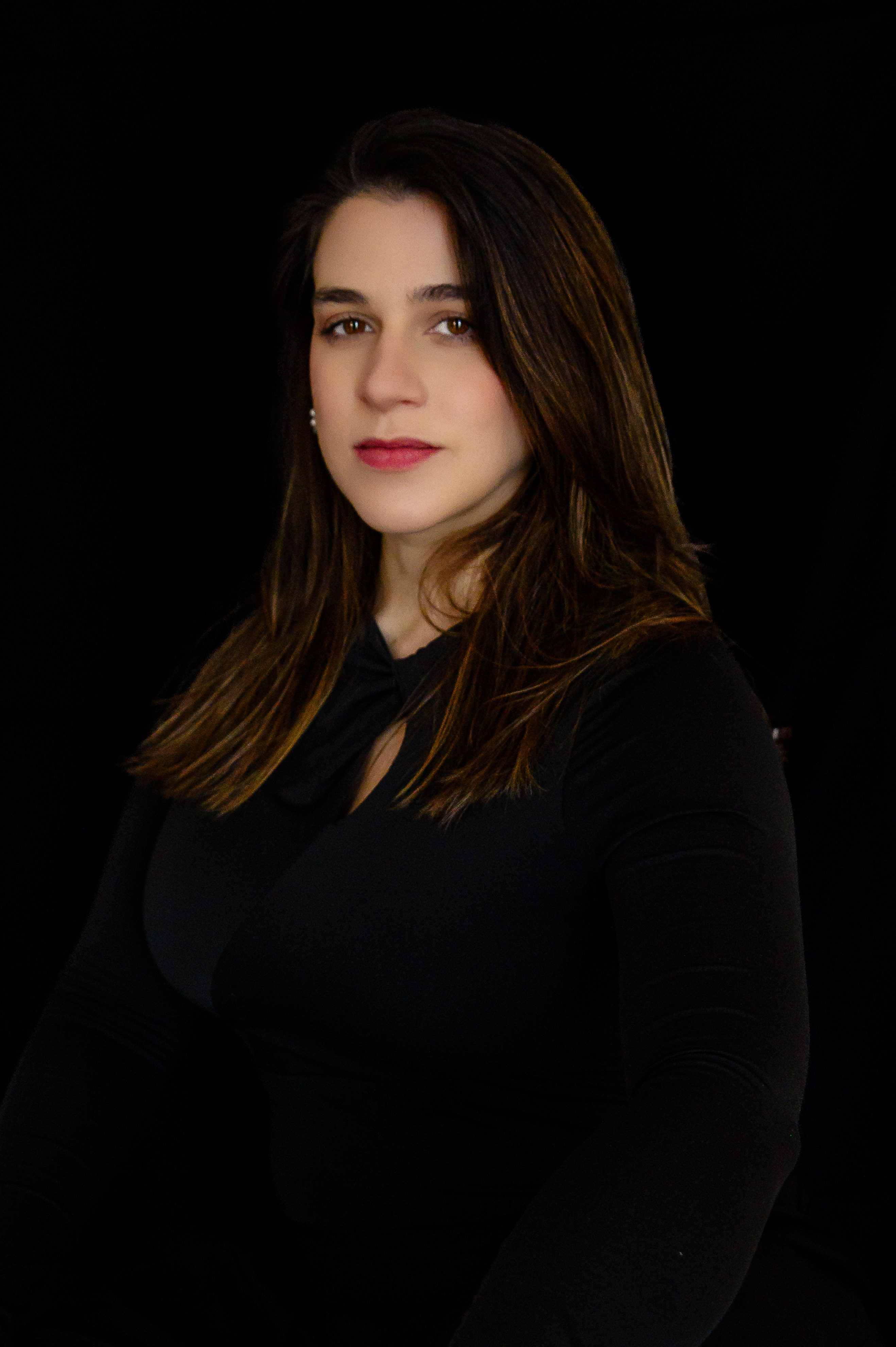
Aymeé Wentz
Determined to become an opera singer from an early age, Aymeé Wentz began studying piano and voice at the age of ten, devoting herself intensively to music ever since. She sang with the children's and youth choirs of OSESP, an experience that contributed to her musical training and to her work with the Coral Paulistano, of which she has been a member since 2011.
She studied classical singing at the Zürcher Hochschule der Künste (Switzerland) and further developed her artistry with Marília Vargas, Jane Thorner Mengedoht, Barbara Bonney, Eliane Coelho, Luciana Serra, and Christoph Prégardien. On the operatic stage, she has performed the First Priestess in Gluck's Iphigénie en Tauride, Zerlina in Don Giovanni, and Barbarina in Mozart's Le nozze di Figaro. She was also a member of the Opera Academy of Theatro São Pedro.
She has appeared as a soloist in works by Bach, Mozart, Fauré, Rossini, and Brahms, distinguished by her versatility, expressiveness, and musical refinement.
How did music become part of your life?
Music came into my life through my mother. She was constantly listening to music and often sang along, finding in it a refuge and a means of expression. I shared those moments with her and, as a child, became enchanted while watching a concert by the Three Tenors on television. I was fascinated by the power and beauty of such an extraordinary sound. I began trying to imitate those voices and noticed the surprise and admiration of the people around me. That was when I felt I had found my purpose. At the age of eight, I decided I wanted to become an opera singer.
How do you like to spend your free time?
I'm very much a homebody, and I love spending my free time with my family. I have a little dog whom I adore, and I enjoy spending afternoons playing with him. I also like watching films and series, relaxing, and enjoying the simple moments of everyday life. Another passion of mine is discovering great places to eat. I love trying new flavors and sharing those experiences with people close to me. For me, free time is an opportunity to recharge and be near the people I love.
What do you usually do on the day of a concert?
Depending on the concert, I try to adapt my routine to the demands of the performance. When the repertoire requires greater concentration, I pay particular attention to my diet, set aside time for meditation, and mentally review important passages. I also like to prepare well in advance so that I can get ready calmly, without rushing or unexpected complications. Despite these precautions, I try to maintain my usual routine as much as possible, as it helps me remain calm, focused, and connected to the music.
Who is your favorite Brazilian composer?
Villa-Lobos is undoubtedly my favorite Brazilian composer. His works for soprano are extraordinary, revealing a richness of colors, sonorities, and emotions that never cease to enchant me. I have a deep admiration for Brazilian nature, and I feel that his music uniquely captures the power of the forest, the diversity of its sounds, and the beauty of our poetry. Every performance of his works is an opportunity to connect with elements I love and that are part of our country's cultural identity.